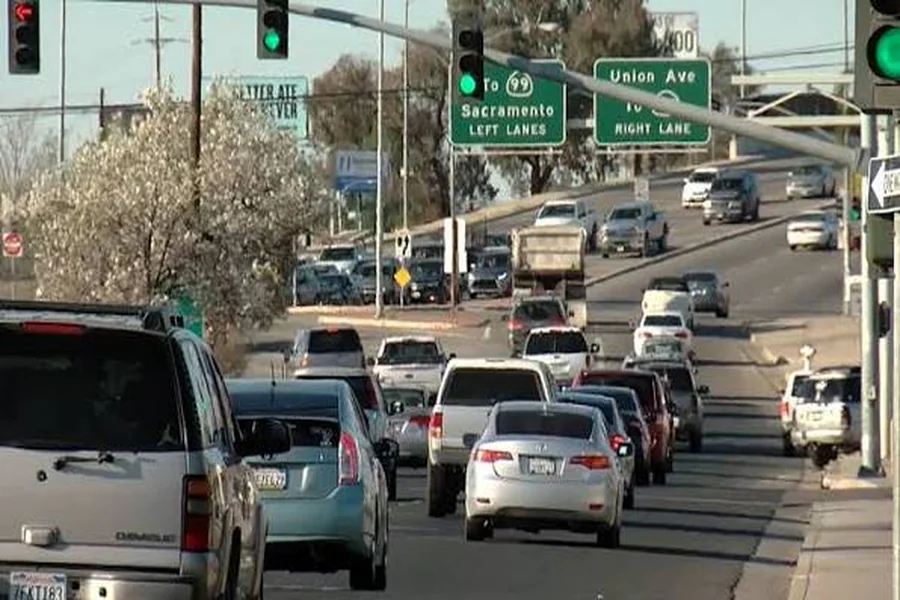
Bakersfield drivers have a new reason to stay alert. The city’s 2026 ranking of its most dangerous intersections is out, and it shows where crashes keep happening across town.
Knowing these hot spots will not remove the risk. It can help you drive more defensively and respond wisely if a collision happens.
Where the 2026 Ranking Comes From
The list draws on the Transportation Injury Mapping System (TIMS), a crash database run by UC Berkeley’s Safe Transportation Research and Education Center. TIMS compiles injury and fatal crashes reported to law enforcement.
The report covers January 1, 2015, through December 31, 2025, within Bakersfield city limits. In that time, TIMS recorded 6,400 intersection crashes.
Crashes were grouped within a 50-foot radius of each intersection. Because of that method, the closely spaced 23rd Street, 24th Street, and Chester Avenue count as a single location. For a closer look at the findings, read the full 2026 list of Bakersfield’s most dangerous roads.
The Top 10 Most Dangerous Intersections in Bakersfield
- 23rd Street, 24th Street, and Chester Avenue: 34 crashes
- Beale Avenue and Niles Street: 33 crashes
- 34th Street and Q Street: 32 crashes
- Niles Street and Union Avenue: 32 crashes
- Panama Lane and Union Avenue: 31 crashes
- H Street and Ming Avenue: 30 crashes
- Brundage Lane and P Street: 29 crashes
- Baker Street and Niles Street: 28 crashes
- Beale Avenue and Monterey Street: 28 crashes
- H Street and Planz Road: 26 crashes
Three streets appear more than once: Niles Street, Union Avenue, and H Street. If you commute along these corridors, give yourself extra space and time.
Why Intersections Are So Risky
Intersections are where traffic paths cross. Drivers turn left across oncoming lanes, pedestrians step into crosswalks, and cyclists merge with vehicles.
One moment of distraction can lead to a serious collision. Common causes include:
- Running red lights or stop signs
- Unsafe left turns
- Distracted driving
- Speeding through yellow lights
- Failing to yield to pedestrians
- Impaired driving
Even careful drivers can be hit because of someone else’s mistake. Knowing what to do afterward protects both your health and your legal rights.
7 Steps to Take After a Car Accident
The minutes after a crash can feel chaotic. These steps can help you stay safe and protect a future claim.
1. Check for Injuries and Call 911
Check yourself and your passengers first. Call 911 right away if anyone is hurt. Do not move someone with a possible neck or back injury unless there is immediate danger, such as fire.
2. Move to a Safe Location
If the crash is minor and your vehicle can be driven, move it out of traffic and turn on your hazard lights. If it cannot be moved, stay inside with your seatbelt on until help arrives, unless that is unsafe.
3. Report the Crash
Call the police so an official report is created. California also requires drivers to report certain crashes to the DMV within 10 days when there is an injury, a death, or property damage over $1,000. Check the current requirements to make sure you comply.
4. Exchange Information
Get the other driver’s name, phone number, address, license plate, driver’s license number, and insurance details. Share yours as well. Keep the conversation factual.
5. Document the Scene
Use your phone to capture:
- Vehicle damage from several angles
- Skid marks, debris, and road conditions
- Traffic signals and signs
- Visible injuries
- Contact information for witnesses
If the weather was bad, photograph ponding water and slick road surfaces too.
6. Limit What You Say
Do not apologize or guess about what caused the crash. Fault is determined after a full review of the evidence. Even casual comments like “I’m fine” can be used against you later.
Notify your own insurer promptly. Be cautious with the other driver’s adjuster, whose job is to minimize payouts. Avoid giving recorded statements or signing documents without legal advice.
7. Get a Medical Evaluation
See a doctor even if you feel fine. Adrenaline can mask pain, and injuries like concussions, whiplash, and internal damage may take days to appear. Medical records also create a clear link between the crash and your injuries.
Who Can Be Held Responsible?
Liability does not always stop with the other driver. Depending on the circumstances, several parties may share responsibility.
California is an at-fault state, and its comparative negligence rules allow fault to be divided among everyone involved. That is why a thorough investigation matters, especially in crashes involving rideshare vehicles, rental cars, or commercial drivers.
How a Bakersfield Car Accident Lawyer Can Help
A crash at one of the city’s busiest intersections can leave you with medical bills, lost income, and a damaged vehicle. The legal process that follows is often more complicated than people expect.
An experienced car accident lawyer can:
- Investigate the crash and gather police reports, camera footage, and witness statements
- Determine who is liable
- Handle communication with insurance companies
- Calculate the full value of your claim, including future medical care, lost earning capacity, and pain and suffering
- Navigate comparative fault rules that can reduce compensation if you are found partly responsible
- Meet filing deadlines, since California generally allows two years to file a personal injury lawsuit
- Negotiate for a fair settlement, or take the case to court if needed
Many personal injury attorneys work on a contingency basis, meaning you pay legal fees only if your case recovers compensation. Ask about fee arrangements during your first consultation.
Protect Your Rights After a Bakersfield Crash
Knowing where crashes happen most can help you drive more defensively. Still, no amount of caution can prevent a collision with a reckless driver.
If you were hurt in a crash, speak with a qualified attorney as soon as you can. They can review your situation, explain your options, and work to help you recover the compensation you deserve.
To get started, find a nearby office and schedule a free consultation. You do not have to handle a complicated claim alone.