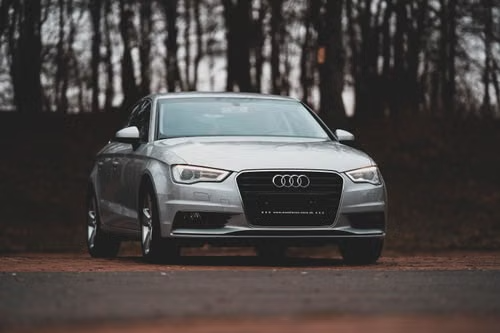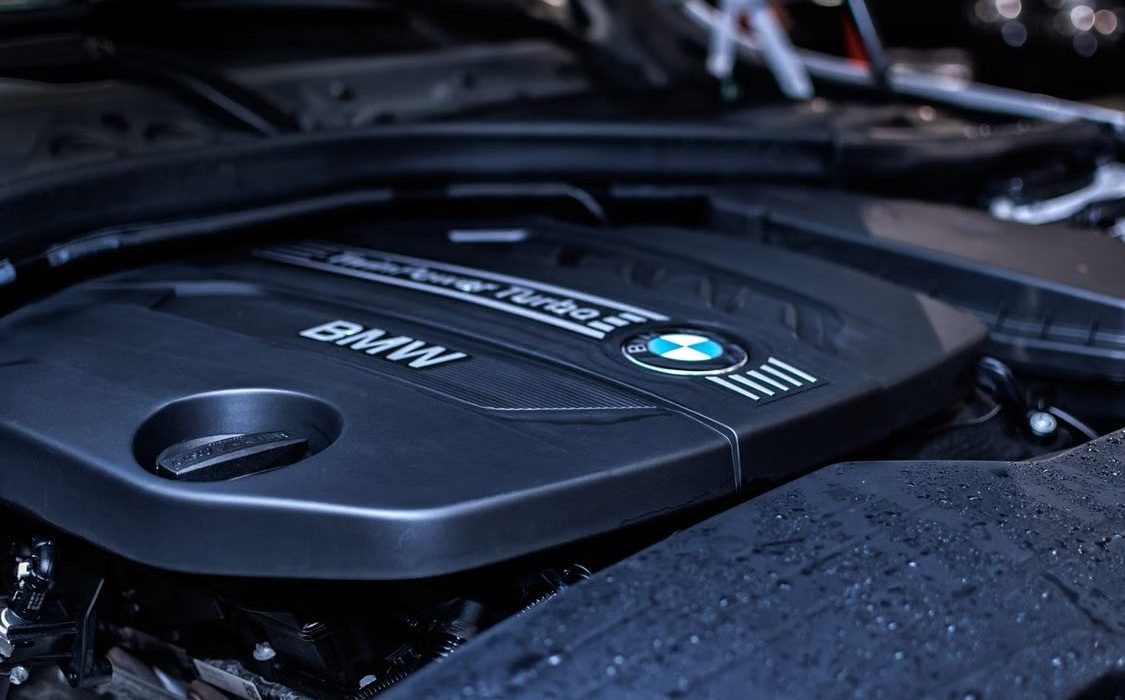
Yes, floodwater can cause long-term electrical problems in modern European cars. Water may enter wiring connections, sensors, control modules, and other electronic components. Even if the vehicle appears to work normally after the water dries, corrosion and hidden moisture can lead to intermittent faults that develop weeks or months later.
Downtown Houston is located in Harris County, near Buffalo Bayou and major routes such as I-10, I-45, and US 59. Its low-lying streets and proximity to bayous make parts of the area vulnerable to flash flooding during heavy rainfall. Drivers travelling through downtown may encounter standing water, which can put a vehicle’s electrical components at risk.
If your BMW, Mercedes-Benz, Audi, or Volkswagen has been exposed to floodwater, a professional inspection can help identify electrical damage before it leads to more serious issues. Choosing a specialist in German car repair in Downtown Houston will give you access to technicians familiar with the wiring, sensors, and control modules used in German vehicles.
Now, this article covers what owners should know about flood-related electrical damage.
How Floodwater Affects a European Car’s Electrical System
Modern European vehicles depend on interconnected electronic systems to control engine performance, braking, transmission operation, safety features, and cabin comfort. These systems communicate through wiring networks and electronic control modules located throughout the vehicle.
When floodwater reaches these components, it can interfere with electrical connections and damage sensitive circuits. The extent of the damage depends on how deep the water was, how long the vehicle remained exposed, and which components were affected.
1. Corrosion in Electrical Connectors
Electrical connectors are designed to maintain stable connections between vehicle components. When water enters them, moisture and contaminants can remain trapped inside.
Over time, corrosion may develop on metal terminals. This can interrupt electrical signals and cause problems that appear inconsistently. A vehicle might start and operate normally one day but display warning messages or experience electrical failures later.
2. Damage to Electronic Control Modules
Control modules manage important vehicle functions, including engine operation, transmission behavior, and safety systems. Depending on the model, some modules may be positioned in areas vulnerable to water intrusion.
If water reaches a module, it may damage internal circuits or disrupt communication with other systems. Replacing or repairing these components can be expensive, particularly when programming or specialized diagnostic procedures are required.
3. Sensor and Wiring Problems
Modern European vehicles use numerous sensors to monitor temperature, wheel speed, fluid levels, engine conditions, and other operating functions.
Floodwater can damage sensor connections or allow moisture to enter wiring harnesses. This may produce inaccurate readings, dashboard warnings, or performance problems that are difficult to identify without proper testing.
4. Battery and Starting Difficulties
Water exposure can also affect battery terminals, electrical distribution points, and starter-related connections. Corrosion or damaged wiring may prevent the battery from delivering power consistently.
Drivers may notice slow starting, clicking sounds, flickering lights, or unexpected electrical shutdowns.
Warning Signs to Watch for After Flood Exposure
Electrical problems do not always appear immediately. Watch for these symptoms after a vehicle has encountered floodwater:
- Multiple dashboard warning lights appearing unexpectedly.
- Power windows, locks, or interior lights operating inconsistently.
- Difficulty starting the engine.
- Infotainment screens or instrument displays malfunctioning.
- Unusual transmission behavior or communication warnings.
- Battery problems or repeated electrical system failures.
These symptoms should be checked promptly rather than dismissed as temporary moisture-related issues.
Steps to Take After Your Car Encounters Floodwater
- Avoid restarting a flooded vehicle: If water has entered the engine compartment or cabin, attempting to start the car may worsen existing damage.
- Prioritize safety: Do not touch electrical components if the vehicle is wet or standing in floodwater. Move away from the vehicle if conditions are unsafe.
- Arrange a professional inspection: A technician can check wiring, connectors, modules, sensors, and other potentially affected systems.
- Request a complete diagnostic scan: Specialized diagnostic equipment can help identify stored fault codes and communication problems.
- Document the exposure: Record how high the water reached and how long the vehicle was exposed. This information can help guide the inspection.
Why Specialized European Vehicle Diagnostics Matter
A basic visual inspection may not reveal moisture trapped inside connectors or damage developing within electronic modules. European vehicles often require manufacturer-specific diagnostic tools and technical knowledge to identify these issues accurately.
A technician experienced in German car repair in Downtown Houston can evaluate affected systems, identify hidden electrical faults, and recommend appropriate repairs. Early attention may prevent minor corrosion or connection problems from developing into more extensive electrical failures.