How to Pack a Carry-On Around What You Will Use
Plan a practical carry-on with versatile clothing, accessible essentials and a layout that works throughout the journey.
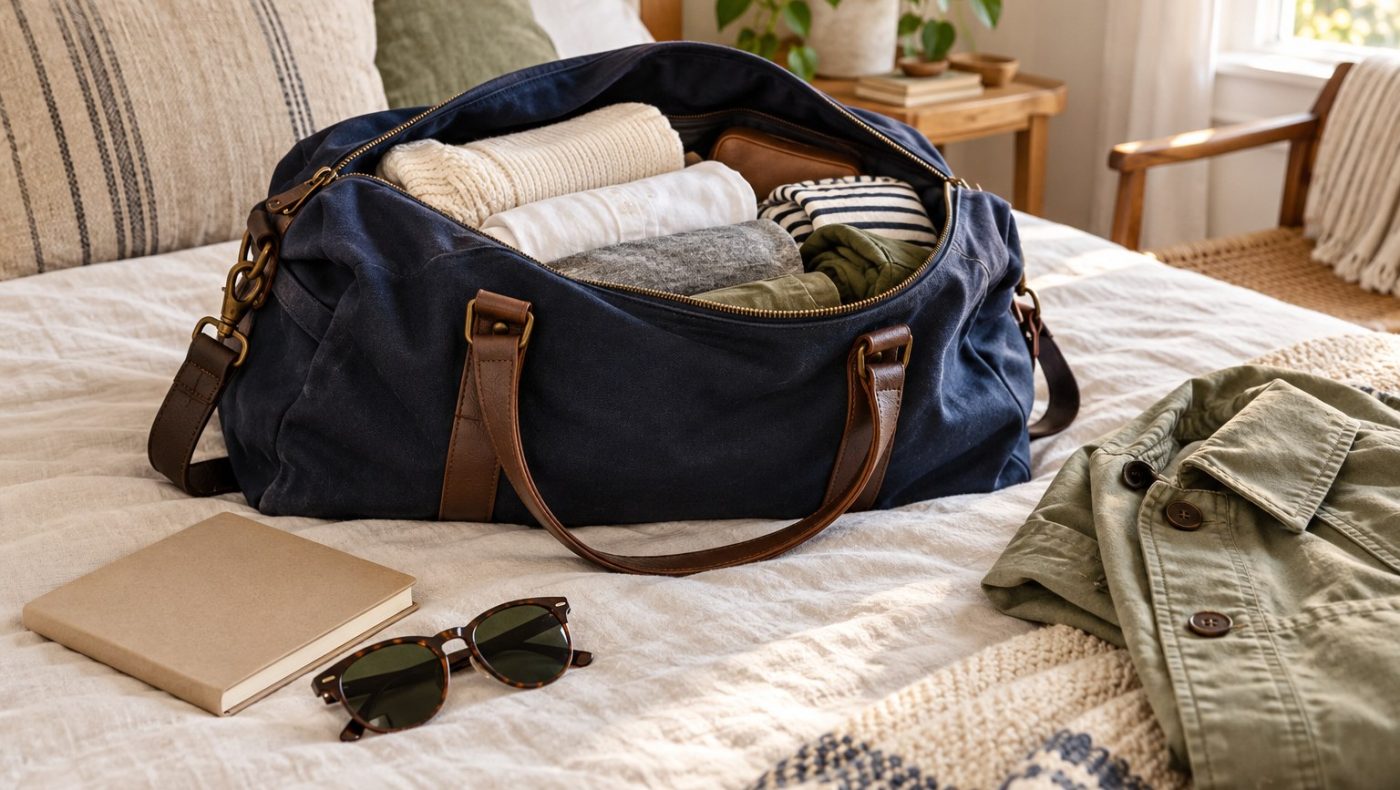
A useful carry-on begins with the journey you expect to take. The right contents for a short city break may differ from those for a work visit or a trip with several stops. Before filling a bag, write down where you will go, what you expect to do and what you will need to reach during the journey.
Check the current bag requirements of the transport providers you will use before choosing your luggage. Build your packing list around those requirements and your own ability to carry the bag comfortably.
List activities before listing clothes
Start with the main parts of the trip: travelling, walking around, attending a meeting, having dinner or spending time outdoors. Then choose clothing that can cover more than one of those activities.
Lay out a small set of pieces together so you can see which combinations work. A top that only suits one difficult-to-pack item may be less useful than something you can wear with several pieces already selected.
Consider where and how you will wear each pair of shoes. Extra shoes take space, so give every pair a clear purpose. If you cannot identify when you would use a pair, leave it outside the bag while you finish packing and reconsider it at the end.
Create an essentials group
Put the items you would need if the rest of your plans changed into one clearly defined group. Depending on your trip, that might include travel documents, a wallet, a phone, necessary keys and the information required to reach your accommodation.
Keep those essentials secure and accessible. Avoid putting something you will need at the next stop beneath all your clothing. You should be able to explain where each essential item is without unpacking the bag.
Save the details you need in a form you can reach while travelling. You might keep an itinerary note on your device and a simple written address separately. Choose an arrangement that fits the journey and the information you are comfortable carrying.
Pack a small kit for the journey itself
Your time in transit has different needs from your time at the destination. A small pouch can hold the items you expect to use while seated or waiting, such as earphones, a pen, a charging cable and a light layer.
Try to keep this kit limited. If you fill it with every accessory you own, it becomes another bag to search through. Imagine a few likely moments: finding a reservation, listening to something, writing a note or putting away your phone. Pack for those moments.
Give toiletries and technology a clear boundary
Gather toiletries before placing them in the bag. Choose the items you expect to use, check their closures and keep them separate from documents and electronics. Review the official requirements for your route before packing any item whose carriage may be restricted.
For technology, make a short list of the devices you are taking and the accessories each one needs. Check the actual connections rather than packing cables by appearance. A cable that fits one device may not be the one you intended for another.
Where possible, avoid carrying duplicate accessories without a reason. Keep a spare when you have decided what problem it would solve, rather than adding one automatically to every item.
Arrange the bag in the order you will use it
Place items you need during the journey where they can be reached easily. Keep clothing grouped so you can remove one piece without disturbing everything around it. Small pouches can help, but ordinary bags or compartments can also work.
Leave a little room to repack. A bag that only closes after careful arrangement on your bedroom floor may be awkward to manage when you are in a hurry. Consider where you will put a layer you remove or an item you take out during the journey.
Your final packing check
- Confirm the bag meets the requirements for your journey.
- Check that your essential documents and items are accessible.
- Match each device with the accessories you intend to use.
- Give every bulky item a clear purpose.
- Secure containers and protect delicate items.
- Close the bag, lift it and walk with it before leaving.
After the trip, note what you used and what stayed untouched. Keep that short record with your packing list. The next time you travel, it will give you a starting point based on your own experience.